Los Angeles, Dec. 22, 2025 (GLOBE NEWSWIRE) -- This release summarizes market and ingredient research for educational purposes only. It is not dental or medical advice. Consult a dental professional before starting any supplement, especially if you have dental concerns. This article contains affiliate links. If you purchase through these links, a commission may be earned at no additional cost to you.
More people are turning to oral health supplements to prioritize prevention, reflecting a clear trend toward proactive dental care.
The dietary supplement industry's oral health segment continues to grow robustly, as consumers increasingly prioritize preventive wellness alongside traditional dental care. This growth is reflected in data from Grand View Research, which valued the global oral care supplements market at approximately $1.8 billion in 2023 and projects a compound annual growth rate of 6.8% through 2030.
Several key trends are propelling market expansion. Rising dental care costs restrict access for many, prompting the pursuit of preventive alternatives. Enhanced public awareness of oral-systemic health connections, heightened post-pandemic health vigilance, and advances in understanding of the oral microbiome are central drivers of this shift.
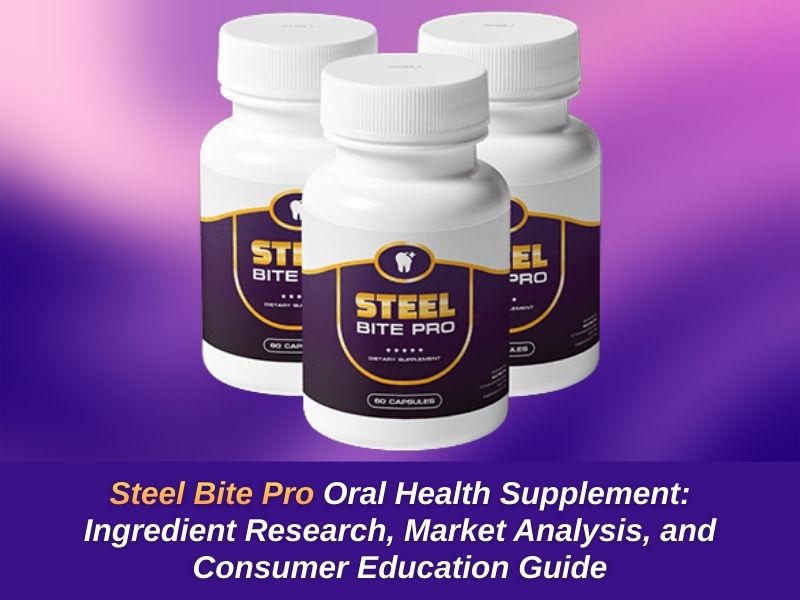
Steel Bite Pro is positioned as an oral health supplement targeting individuals interested in proactive dental wellness. According to the company, it contains botanical ingredients, minerals, and amino acids that have been studied for oral health purposes. The brand states that Steel Bite Pro is intended to complement, not replace, professional dental care and daily oral hygiene.
The company, not the publisher, provides information about manufacturing and quality, and the publisher has not verified these claims.
This analysis examines what drives the popularity of oral health supplements, reviews research on oral botanicals, and provides education for prevention-focused consumers.
Learn more about Steel Bite Pro on the official website
Market Drivers: Why Consumer Interest in Oral Health Supplements Continues Growing
Rising Dental Care Costs Create Consumer Demand for Preventive Approaches
Economic factors play a significant role in driving consumer exploration of oral health supplements. According to the American Dental Association's Health Policy Institute, national expenditures on dental services reached $142 billion in 2020, with substantial out-of-pocket costs affecting the 74 million Americans without dental insurance coverage.
Consequently, market research shows that high dental costs are prompting people to seek preventive oral health strategies. More consumers are using wellness solutions alongside professional care to avoid costly treatments.
Periodontal Disease Prevalence Underscores Prevention Importance
Public health data emphasizes the widespread nature of oral health challenges in the United States. The Centers for Disease Control and Prevention (CDC) reports that 47.2% of American adults aged 30 and older have some form of periodontal disease, affecting approximately 64.7 million adults nationwide. Among adults 65 and older, the prevalence increases to 70.1%.
Periodontal disease typically begins with gingivitis—characterized by gum inflammation and bleeding during brushing or flossing—and can progress to periodontitis, where gum tissue separates from teeth, creating pockets that become infected. Left untreated, periodontitis leads to tooth mobility and tooth loss and has been linked in research to systemic health concerns, including cardiovascular disease, diabetes complications, and respiratory infections.
In light of these widespread rates, people are increasingly seeking ways to prevent problems before they start. Many are trying to take care of their gums early, including trying new oral care products.
Scientific Understanding of Oral Microbiome Influences Consumer Product Interest
Recent scientific advancements have fundamentally shifted prevailing perspectives on oral health maintenance. In addition to traditional efforts to reduce bacterial load, current expert consensus emphasizes the importance of supporting a balanced oral microbiome. A study published in the Journal of Bacteriology in 2010 documented over 700 distinct microorganisms—including bacteria, fungi, and viruses—present in the oral cavity, many of which contribute positively to oral health.
Dr. Floyd Dewhirst, a researcher at the Forsyth Institute and affiliated with Harvard University, explains that the goal is to maintain oral bacterial balance, not eliminate them. When diet, stress, medications, or poor oral hygiene upset this balance, harmful bacteria can increase. This leads to inflammation and tissue damage.
This updated approach to oral health gives consumers more choices, as supplement makers now provide products intended to support beneficial mouth bacteria.
Post-Pandemic Preventive Health Behavior Extends to Oral Wellness
Studies show that people's habits changed after the COVID-19 pandemic. A 2024 survey by the Council for Responsible Nutrition found that 77% of Americans now take dietary supplements regularly. The main reasons are to support their immune system and control inflammation.
Instead of waiting for dental issues, consider nutrition's role in protecting teeth and gums—mirroring the mainstream move toward prevention.
This emphasis on proactive oral wellness reflects a wider trend toward early action and the integration of nutrition into regular health routines.
For readers seeking detailed analysis of specific oral health mechanisms, read our comprehensive examination of dental restoration approaches covering tooth decay prevention strategies and gum tissue support research.
Steel Bite Pro Market Positioning: Product Entry in a Growing Category
Company Background and Product Formulation Approach
Steel Bite Pro is positioned as a comprehensive oral health supplement containing botanicals, minerals, and amino acids for individuals seeking preventive dental options. The company recommends consulting the most recent product label for specific ingredient details, as the formula may change over time.
According to the company's website, Steel Bite Pro is manufactured in an FDA-registered facility and produced in accordance with dietary supplement Good Manufacturing Practice standards (21 CFR Part 111). Facility registration is not FDA product approval. Under the Dietary Supplement Health and Education Act (DSHEA) of 1994, dietary supplements are not approved by the FDA before reaching the market. FDA registration indicates the facility has notified the FDA of its operations and is subject to inspection.
Steel Bite Pro is designed to be used along with, not instead of, regular oral hygiene and dental care.
Ingredient Categories in Oral Health Supplement Formulations
According to the brand's materials, Steel Bite Pro's formulation includes ingredients from several categories commonly found in oral health supplements:
Botanical Compounds with Documented Antimicrobial Properties: Scientific research has evaluated plant-based compounds—including berberine, turmeric, grape seed extract, and ginger—for activity against oral pathogens. Most available evidence derives from laboratory and topical studies; data supporting the efficacy of oral supplementation for specific oral health outcomes are limited.
Anti-Inflammatory Botanicals: Inflammation is a fundamental component of periodontal disease pathogenesis. Investigations of turmeric, feverfew, and several root extracts have elucidated anti-inflammatory properties pertinent to oral tissue health, with most research comprising in vitro or topical study designs rather than oral administration.
Nutrients Supporting Connective Tissue: Connective tissue health depends on adequate intake of vitamin C, minerals, and compounds involved in collagen biosynthesis. These components are commonly found in oral health supplement blends designed to support gum health.
Mineral Providers: The primary mineral constituents of tooth enamel are calcium and phosphorus, existing predominantly as hydroxyapatite crystals. Supplement formulations may include botanicals naturally concentrated in minerals essential to dental and periodontal matrices.
Antioxidant Sources: Oxidative stress and inflammation are interconnected in periodontal disease. Research has examined various plant compounds for antioxidant capacity and effects on inflammatory markers.
Amino Acids: Some formulations include amino acids involved in detoxification pathways, antioxidant systems (such as glutathione synthesis), or protein synthesis processes relevant to tissue repair.
View current Steel Bite Pro formulation details
Regulatory Context for Dietary Supplement Manufacturing
Dietary supplement manufacturing in the United States operates under specific regulatory frameworks.
The Current Good Manufacturing Practice (CGMP) regulations for dietary supplements, established under 21 CFR Part 111, require manufacturers to:
- Establish quality control procedures.
- Design and construct facilities to prevent contamination
- Test identity and purity of ingredients.
- Establish specifications for supplement identity, purity, strength, and composition.
- Maintain production and process control systems.
- Maintain complaint handling systems.
- Maintain records demonstrating CGMP compliance.
These regulations aim to ensure manufacturing quality, consistency, and accurate labeling. However, CGMP compliance does not validate efficacy claims or constitute FDA approval of products.
Ingredient Research Context: Scientific Literature on Botanical Compounds in Oral Health
Critical Framework: The following section examines peer-reviewed research on categories of ingredients commonly found in oral health supplements. This represents ingredient-level research from scientific literature. Individual ingredient research does not guarantee that any specific finished product will produce similar effects. Supplement formulations, dosing, delivery methods, and individual biological variability significantly affect outcomes.
Berberine: Research on Antimicrobial Activity and Oral Bacteria
Scientific Background: Berberine is a bioactive alkaloid compound extracted from several plant species, including Berberis shrubs (barberry), goldenseal (Hydrastis canadensis), and Oregon grape (Mahonia aquifolium). The compound has been used in traditional Chinese and Ayurvedic medicine systems for thousands of years.
Research on Mechanism of Action: Published research in Antimicrobial Agents and Chemotherapy (2008) demonstrates that berberine exhibits broad-spectrum antimicrobial activity. Unlike antibiotics, which typically target specific bacterial strains through single mechanisms, berberine affects multiple bacterial processes, including cell membrane disruption, inhibition of DNA synthesis, and interference with bacterial enzyme systems.
Studies on Oral Health Applications: Research published in the Journal of Indian Society of Periodontology (2012) examined berberine's effects on periodontal pathogens. The study found that berberine demonstrated antimicrobial activity against Porphyromonas gingivalis, Aggregatibacter actinomycetemcomitans, and Fusobacterium nucleatum—bacterial species strongly associated with periodontal disease in dental research.
A 2015 study in Archives of Oral Biology investigated berberine's effects on biofilm formation, which is relevant to dental plaque development. Laboratory results showed that berberine reduced biofilm formation by up to 40% and decreased adhesion of Streptococcus mutans, a primary bacterium associated with dental caries, to tooth surfaces under controlled conditions.
Metabolic Research Context: Berberine has been extensively studied for metabolic health applications. A meta-analysis of 27 clinical trials published in Evidence-Based Complementary and Alternative Medicine (2015) found that berberine improved various markers of metabolic syndrome. This research is relevant to oral health because metabolic dysfunction and chronic systemic inflammation are identified in dental research as risk factors for periodontal disease progression.
Research Limitations: Most berberine oral health research involves laboratory studies, topical application, or mouthwash delivery rather than oral supplementation for systemic effects. Oral supplementation evidence for oral health endpoints is limited.
Curcumin (Turmeric): Research on Anti-Inflammatory Effects and Oral Applications
Scientific Background: Turmeric (Curcuma longa) is a flowering plant in the ginger family. Its active compound, curcumin, accounts for approximately 2-8% of most turmeric preparations and is responsible for many of its biological effects studied in research.
Research on Inflammation Pathways: Curcumin functions as an anti-inflammatory compound by inhibiting NF-κB (nuclear factor kappa B), a protein complex that plays a central role in inflammatory response pathways. Chronic activation of NF-κB is implicated in periodontal disease progression, making its inhibition theoretically relevant to inflammatory processes in the gum tissue.
Clinical Research on Oral Health: A 2012 randomized controlled trial published in the Journal of Indian Society of Periodontology compared curcumin mouthwash to chlorhexidine mouthwash—a prescription antimicrobial considered a gold standard in dental practice. The study found that curcumin mouthwash was as effective as chlorhexidine in reducing plaque formation and gingivitis scores over a 21-day period, without the side effects commonly associated with chlorhexidine, including tooth staining, taste alteration, and calculus formation.
Research published in Quintessence International (2016) examined local delivery of curcumin gel as an adjunct to scaling and root planing (professional deep cleaning) in patients with chronic periodontitis. The group receiving curcumin gel showed a significantly greater reduction in pocket depth and clinical attachment gain than the scaling and root planing-only control group at three-month follow-up.
Bioavailability Considerations in Research: The scientific literature notes that curcumin has poor oral bioavailability—very little of the ingested curcumin reaches systemic circulation unchanged. For oral health applications delivered topically (e.g., mouthwashes, gels), this is less relevant, as the compound can exert local effects before being swallowed. For oral supplementation, bioavailability enhancement strategies, such as combining curcumin with piperine (black pepper extract), have been studied, with some research showing increases in bioavailability up to 2000%.
Research Application Context: The research cited primarily involves topical oral application or local delivery rather than oral supplementation. Most available evidence is laboratory-based or involves topical delivery; human evidence for oral supplementation and oral health outcomes remains limited.
Zinc: Research on Roles in Oral Health and Immune Function
Scientific Background: Zinc is a trace mineral naturally present in saliva and essential for numerous biological processes, including immune function, protein synthesis, wound healing, DNA synthesis, and cell division.
Research on Antimicrobial Mechanisms: A 2011 study in Oral Diseases found that zinc ions disrupt bacterial cell membranes and inhibit bacterial enzyme systems. Research indicates that zinc is particularly effective against anaerobic bacteria—the type that thrive in oxygen-depleted environments such as deep periodontal pockets.
Studies on Taste and Smell Function: Zinc is essential for the proper functioning of taste buds and olfactory receptors, according to nutritional research. Zinc deficiency is documented in medical literature as a cause of taste disorders (dysgeusia) and olfactory dysfunction. This is relevant to oral health research because individuals with chronic periodontal disease sometimes report altered taste perception.
Research on Wound Healing: Zinc is required for collagen synthesis, cell division, and immune function—all critical for tissue repair processes. A 2007 meta-analysis in the American Journal of Clinical Nutrition found that zinc supplementation significantly improved wound healing in zinc-deficient patients.
Studies on Salivary Zinc and Periodontal Health: Research published in Biological Trace Element Research (2009) found that salivary zinc levels were significantly lower in individuals with periodontal disease than in periodontally healthy controls, suggesting that zinc status may influence oral health outcomes.
Research Context: Most research on zinc and wound healing focuses on skin wounds or surgical healing rather than oral soft tissue specifically. Zinc supplementation research typically focuses on correcting deficiencies rather than supplementing in individuals who are already zinc-sufficient. Most available evidence is laboratory-based or involves topical delivery; human evidence for oral supplementation and oral health outcomes remains limited.
Beetroot: Research on Nitric Oxide Pathways and Oral Bacteria
Scientific Background: Beetroot (Beta vulgaris) is rich in dietary nitrates, betalain pigments, and various vitamins and minerals, including folate, manganese, and potassium.
Research on Nitric Oxide Conversion: Dietary nitrates from beetroot undergo conversion to nitric oxide (NO) through a two-step bacterial process: nitrate to nitrite to nitric oxide. Research indicates this conversion begins in the mouth via oral bacteria, then continues in the gastric and systemic environments.
Studies on Oral Health Implications: Research published in Nitric Oxide (2014) examined the role of oral bacteria in nitrate metabolism and its effects on oral microbial environments. Researchers found that nitric oxide produced in the oral cavity has antimicrobial properties, particularly against pathogenic bacteria that thrive in low-oxygen environments such as deep periodontal pockets.
A 2016 study in the Journal of Dental Research investigated the effects of beetroot juice consumption in a small human trial. Participants who consumed beetroot juice daily for two weeks showed increased salivary nitrite levels and reduced gingival inflammation scores compared to control groups, though the sample size was limited, and additional research would strengthen these findings.
Research on Tooth Staining Concerns: A common consumer concern addressed in research is whether beetroot causes tooth discoloration. A 2018 study published in the European Journal of Dentistry specifically examined this question. Results showed that beetroot juice did not cause clinically significant tooth staining when compared to baseline or control beverages. The betalain pigments are water-soluble and do not adhere to enamel, unlike tannins from coffee, tea, or red wine.
Research Limitations: Studies on beetroot and oral health are limited in number and sample size. Most available evidence is laboratory-based or involves topical delivery; human evidence for oral supplementation and oral health outcomes remains limited.
Vitamin C and Oral Health: Research on Collagen Synthesis and Gum Tissue
Scientific Background: Vitamin C (ascorbic acid) is a water-soluble vitamin essential for collagen synthesis, the structural protein that gives gums their firmness and resilience. Humans cannot synthesize vitamin C and must obtain it through diet.
Historical Context and Severe Deficiency: Severe vitamin C deficiency (scurvy) famously causes severe gum disease, bleeding, and tooth loss. While outright scurvy is rare in developed countries, subclinical vitamin C insufficiency is more common than often recognized.
Research on Vitamin C Status and Periodontal Disease: A significant study published in the Journal of Periodontology (2000) found that individuals with lower dietary vitamin C intake had higher rates of periodontal disease, even after controlling for other risk factors, including smoking and oral hygiene practices. The research suggests vitamin C status plays a role in gum health independent of mechanical plaque removal.
Research on Collagen Turnover: Collagen in gum tissue is continuously being broken down and rebuilt. Research on collagen metabolism indicates turnover cycles of approximately 8-12 weeks. Adequate vitamin C is necessary for this ongoing regeneration process.
Sources in Supplement Formulations: Many botanical ingredients provide vitamin C: dandelion greens, jujube fruit, certain berries, and citrus-derived compounds. Supplement formulations may include vitamin C from multiple botanical sources rather than isolated ascorbic acid.
Most available evidence is laboratory-based or involves topical delivery; human evidence for oral supplementation and oral health outcomes remains limited.
Antioxidants and Oxidative Stress: Research Context for Oral Health
Scientific Background: Oxidative stress occurs when free radical production exceeds the body's antioxidant defenses. Research indicates oxidative stress and inflammation are interconnected processes in periodontal disease.
Research on Oxidative Stress in Periodontal Disease: A 2010 study in the Journal of Clinical Periodontology found that individuals with periodontitis had significantly lower levels of salivary and serum antioxidants compared to periodontally healthy controls. The research suggests that oxidative stress may contribute to tissue damage in periodontal disease.
Botanical Sources of Antioxidants: Research has examined various plant compounds for antioxidant capacity:
Grape Seed Extract: Rich in oligomeric proanthocyanidin complexes (OPCs) with demonstrated antioxidant properties in laboratory research
Turmeric: Contains curcumin, which has both anti-inflammatory and antioxidant effects in laboratory and some clinical studies.
Various Berries and Fruits: Provide polyphenols and anthocyanins, which have been studied for antioxidant activity in laboratory research
Research Limitations: Most antioxidant research involves test-tube studies measuring antioxidant capacity under controlled laboratory conditions. Translating this antioxidant capacity to clinical health outcomes in humans is complex and depends on bioavailability, tissue distribution, and other factors. Most available evidence is laboratory-based or involves topical delivery; human evidence for oral supplementation and oral health outcomes remains limited.
Review Steel Bite Pro ingredient research and formulation
Understanding the Oral Microbiome: Educational Context
What Is the Oral Microbiome?
The oral microbiome refers to the complex community of microorganisms that naturally inhabit the mouth, including bacteria, fungi, viruses, and archaea. Research has identified over 700 microbial species in the human oral cavity, making it one of the most diverse microbial ecosystems in the body.
These microorganisms colonize various oral surfaces, including teeth, gums, tongue, cheeks, palate, and throat. The composition varies across oral sites based on factors such as oxygen availability, moisture levels, pH, and nutrient sources.
Role of the Oral Microbiome in Health and Disease
Recent research has shifted understanding from viewing all oral bacteria as harmful to recognizing that many are beneficial and necessary for oral health. A balanced oral microbiome:
- Competes with pathogenic bacteria for resources and attachment sites, making it harder for disease-causing organisms to establish themselves
- Produces substances that can inhibit the growth of harmful bacteria
- Interacts with the immune system in ways that help maintain appropriate inflammatory responses
- Participates in nitric oxide production from dietary nitrates, which may have antimicrobial and cardiovascular benefits
Dysbiosis: When Balance Is Lost
Oral dysbiosis occurs when the microbial balance shifts, typically with an increase in pathogenic bacteria and a decrease in beneficial species. Factors that can trigger dysbiosis include:
- Poor oral hygiene allows plaque accumulation.
- High sugar and processed carbohydrate consumption
- Smoking and tobacco use
- Certain medications (antibiotics, medications causing dry mouth)
- Chronic stress affects immune function.
- Systemic diseases like diabetes
When dysbiosis occurs, pathogenic bacteria proliferate, produce inflammatory compounds, and create acidic environments that damage gum tissue and tooth enamel.
The Oral-Systemic Health Connection
Research increasingly recognizes that oral health and systemic health are interconnected:
Cardiovascular Disease: Some research suggests associations between periodontal disease and cardiovascular conditions, potentially through inflammatory pathways, though causation versus correlation remains debated
Diabetes: A Bidirectional relationship exists where diabetes increases periodontal disease risk, and severe periodontal disease may affect blood sugar control
Respiratory Infections: Aspiration of oral bacteria can contribute to respiratory infections, particularly in vulnerable populations
Pregnancy Outcomes: Some research associates severe periodontal disease with preterm birth and low birth weight, though mechanisms are not fully understood
Important caveat: These associations do not mean oral health supplements treat or prevent systemic diseases. The research shows correlations and potential mechanisms, but establishing causation requires additional study.
Consumer Education: Understanding Dietary Supplements in Oral Health Context
Dietary Supplements as Complementary Approaches, Not Primary Interventions
Consumer health education emphasizes that dietary supplements represent complementary tools rather than replacements for professional dental care or foundational oral hygiene practices.
According to consumer health research, individuals typically consider oral health supplements for several reasons:
Preventive Support: People maintaining good oral health who want to incorporate nutritional support as part of comprehensive wellness strategies
Nutritional Optimization: Individuals seeking to ensure adequate intake of vitamins, minerals, and compounds relevant to tissue health
Natural Compound Interest: Consumers who prioritize botanical-based approaches and seek alternatives or complements to synthetic compounds
Whole-Body Wellness Perspective: People who understand research linking oral health to systemic health and take integrated approaches to wellness
Bridging Care Gaps: Individuals facing financial or access barriers to frequent professional dental care who seek ways to support oral health between professional visits
Professional Dental Care Remains Primary for Diagnosis and Treatment
Consumer education materials consistently emphasize that certain oral health needs require professional evaluation and intervention that dietary supplements cannot provide:
Diagnosis: Only licensed dentists can diagnose dental disease, assess gum recession severity, identify bone loss through radiographic examination, or interpret clinical findings
Treatment of Active Disease: Cavities, periodontal infections, dental abscesses, and other active disease states require professional intervention through restorative dentistry, scaling and root planing, surgery, or other procedures
Tartar Removal: Calcified tartar deposits (calculus) require mechanical removal through professional cleaning procedures and cannot be eliminated through brushing, flossing, or supplementation
Monitoring and Prevention: Regular professional examinations detect problems early, when treatment is less invasive and typically less expensive
Personalized Guidance: Dentists provide recommendations based on individual risk factors, genetics, medical history, medications, and specific oral health status
What Dietary Supplements Cannot Replace
Consumer protection research emphasizes that certain conditions absolutely require professional dental care:
Dietary supplements cannot replace professional dental procedures, including cleanings, restorative work, periodontal treatments, or surgical interventions. They cannot reverse established damage such as significant gum recession, bone loss, or cavities beyond early demineralization. They cannot substitute for foundational practices, including daily brushing, flossing, and appropriate dietary choices.
Emergency conditions requiring immediate professional care include symptoms such as severe pain, swelling, bleeding, trauma, or signs of infection that require immediate professional dental care. Dietary supplements are not appropriate interventions for dental emergencies.
Evaluating Supplement Quality and Claims
Consumer education resources suggest evaluating supplements based on:
Label Transparency: Complete ingredient disclosure with specific amounts listed
Manufacturing Standards: CGMP certification, third-party testing when available
Realistic Claims: Products avoiding guaranteed outcomes or disease treatment claims
Scientific Foundation: Availability of peer-reviewed research on key ingredients
Company Responsiveness: Clear contact information and responsive customer support
Professional Integration: Products positioned as complements to professional care, not replacements
Regulatory Framework: Dietary Supplement Industry Standards
DSHEA and FDA Oversight of Dietary Supplements
The dietary supplement industry in the United States operates under the Dietary Supplement Health and Education Act (DSHEA) of 1994, which established a regulatory framework distinct from that for pharmaceutical drugs.
Key Regulatory Distinctions:
Pre-Market Approval: Unlike prescription drugs, dietary supplements do not require FDA approval before entering the market. Manufacturers are responsible for ensuring safety and label accuracy before distribution.
Claims Categories: Supplements can make structure/function claims (e.g., "supports gum health") but cannot make disease treatment claims (e.g., "treats periodontal disease") without FDA approval as a drug. The FDA explains this distinction in guidance documents available on its website.
Required Disclaimers: Structure/function claims require the disclaimer: "This statement has not been evaluated by the Food and Drug Administration. This product is not intended to diagnose, treat, cure, or prevent any disease."
Post-Market Surveillance: The FDA monitors supplements after market entry through adverse event reporting systems, product sampling and analysis, facility inspections, and enforcement actions when violations are identified.
Good Manufacturing Practices: Since 2007, dietary supplement manufacturers have been required to follow CGMP regulations under 21 CFR Part 111 to ensure quality, purity, strength, composition, and accurate labeling.
Industry Compliance and Enforcement Landscape
The dietary supplement industry faces ongoing regulatory scrutiny. According to FDA enforcement data, the agency regularly issues warning letters to supplement companies for various violations, including:
- Making unauthorized disease treatment claims
- Failing to follow CGMP requirements
- Product adulteration or contamination
- Inadequate safety substantiation for new dietary ingredients
- False or misleading labeling
- Failure to include required disclaimers
Consumer education materials note that past availability of a product does not guarantee future regulatory compliance, and companies can face enforcement action even after years of operation. The regulatory landscape continues evolving as the FDA and FTC address emerging issues in the supplement industry.
FTC Oversight of Advertising and Marketing Claims
The Federal Trade Commission (FTC) has jurisdiction over dietary supplement advertising and marketing claims. FTC standards require:
Truthfulness: All claims must be truthful and not misleading
Substantiation: Companies must have adequate substantiation for claims before making them
Clear Disclosures: Material information must be disclosed clearly and conspicuously
Endorsement Standards: Testimonials and endorsements must reflect typical consumer experiences or clearly disclose that results are atypical
According to FTC guidance, the Commission evaluates advertising from the perspective of a reasonable consumer and examines whether the overall impression created by advertising is misleading, even if individual statements are technically accurate.
Safety Information and Interaction Potential
General Safety Considerations for Botanical Supplements
While botanical ingredients have long histories of traditional use, natural origin does not automatically indicate safety for all populations or absence of side effects.
Commonly Reported Effects in Research:
Digestive Adjustments: Some botanical compounds and prebiotic fibers can cause temporary digestive changes, including gas, bloating, or altered bowel patterns, as the gut microbiome adapts, typically resolving within 1-2 weeks of consistent use
Allergic Reactions: Individuals with plant allergies should review ingredient lists carefully. Cross-reactivity can occur between botanically related plants. For example, people allergic to ragweed may react to plants in the Asteraceae family, including dandelion, feverfew, or yarrow.
Individual Sensitivity Variation: Response to botanical compounds varies significantly between individuals based on genetics, gut microbiome composition, medication use, and other factors
Drug Interaction Considerations
Multi-ingredient botanical formulations create multiple opportunities for drug interactions. Categories of medications with potential interaction concerns include:
Blood Sugar Medications: Some botanical compounds studied for metabolic effects may influence blood glucose levels. Individuals taking diabetes medications should consult their physician before adding botanical supplements.
Blood Pressure Medications: Certain botanical compounds may affect blood pressure. Individuals taking antihypertensive medications should discuss supplement use with their physician.
Anticoagulants and Antiplatelet Medications: Multiple botanical ingredients have been shown to have mild antiplatelet or anticoagulant effects in research. Individuals taking blood thinners face an increased bleeding risk when combining with botanical supplements.
Immunosuppressant Medications: Some botanical compounds can modulate immune function. Individuals taking immunosuppressant medications should not add botanical supplements without medical supervision.
Medications Metabolized by Cytochrome P450 Enzymes: Many botanical compounds affect drug metabolism pathways. This can alter blood levels of numerous medications.
Special Population Warnings
Pregnancy and Breastfeeding: Many botanical ingredients lack adequate safety data for pregnant or nursing women. Supplementation during pregnancy or while breastfeeding should occur only with an obstetrician's approval
Scheduled Surgery: Due to potential effects on bleeding, blood sugar, blood pressure, and drug metabolism, individuals should discontinue botanical supplements at least 2 weeks before any surgical procedure, including dental surgery
Liver or Kidney Disease: Individuals with liver or kidney disease should consult their physician before using botanical supplements, as some compounds require hepatic or renal metabolism and excretion
Children and Adolescents: Safety and appropriate dosing of many botanical supplements have not been established for pediatric populations
Multiple Medication Use: Individuals taking three or more prescription medications face a higher interaction risk and should discuss supplement use with their physician and pharmacist
Visit the Steel Bite Pro website for safety information
Product Information and Company Contact
For consumers seeking additional information about Steel Bite Pro specifically, the company provides direct contact options.
Company Contact Information:
According to the company's website, consumer inquiries can be directed to:
Email: contact@steelbitepro.com
The company website states that customer support responds to questions regarding product formulation, usage guidance, and general product information. For specific medical questions or concerns about interactions with medications or health conditions, the company directs consumers to consult with their healthcare providers.
Product Details:
Additional product details, including current formulation specifics and any satisfaction policy terms, are available on the brand's website. Readers should confirm the latest information directly with the company, as formulations, terms, and offerings may change over time.
For additional product information, visit the company website
Disclaimer Information
FDA Health Disclaimer
These statements have not been evaluated by the Food and Drug Administration. Steel Bite Pro is not intended to diagnose, treat, cure, or prevent any disease. Steel Bite Pro is a dietary supplement, not a medication or dental treatment. The information presented in this article is for educational and market analysis purposes only and does not constitute medical or dental advice.
Always consult your dentist before starting any new supplement, especially if you have existing dental disease, gum recession, tooth mobility, bleeding gums, tooth pain, loose teeth, gum swelling, or other oral health conditions. Always consult your physician before starting any supplement if you take prescription medications, have chronic health conditions, are pregnant, nursing, or planning surgery.
Professional Dental Care Requirement Disclaimer
This article provides market analysis and ingredient research for educational purposes. It does not constitute dental or medical advice. Steel Bite Pro is a dietary supplement, not a replacement for professional dental care.
If you have bleeding gums, receding gums, tooth pain, loose teeth, gum swelling, dental abscesses, persistent bad breath, tooth sensitivity, or other dental symptoms, consult a licensed dentist immediately. Do not delay or avoid necessary dental treatment based on information in this article or product marketing materials.
Do not change, adjust, or discontinue any dental treatments or medications without your dentist's guidance and approval. Regular professional dental examinations, cleanings, and periodontal maintenance remain essential for maintaining oral health, detecting problems early, and preventing disease progression. Dietary supplements complement but never replace professional dental care, proper oral hygiene practices (brushing twice daily with fluoride toothpaste, daily flossing, and appropriate mouthwash use when indicated), and healthy dietary habits that limit sugar and acid exposure.
Individual Results Variation Disclaimer
Individual results will vary significantly based on numerous factors, including baseline oral health status, severity of existing dental conditions, consistency of daily supplement use, quality of oral hygiene practices, dietary habits, genetic factors, age, metabolic health, stress levels, sleep quality, prescription medications, smoking status, alcohol consumption, systemic health conditions, and other individual variables.
Dietary supplements require time to show effects—typically weeks to months, not days. Scientific research on nutritional interventions generally indicates timelines of 8-12 weeks before changes may become noticeable, based on tissue turnover cycles and inflammatory modulation processes. While some consumers report subjective improvements, results are not guaranteed and vary widely between individuals.
The ingredient research discussed in this article represents findings from studies on isolated compounds, often at specific doses or via administration routes (topical gels, mouthwashes, local delivery) that differ from oral supplementation approaches. Ingredient-level research demonstrating efficacy does not guarantee that a supplement containing those ingredients will produce the same effects in users. Individual ingredient efficacy does not equal finished product efficacy.
Affiliate Relationship Disclosure
This article contains affiliate links. If you purchase through these links, a commission may be earned at no additional cost to you. This compensation does not influence the accuracy, neutrality, or integrity of the information presented.
All ingredient analysis is based on peer-reviewed research from scientific databases, including PubMed, Google Scholar, and university research repositories, as well as publicly available information from reputable health organizations and government agencies. Product claims attributed to the manufacturer represent the company's marketing statements as published on the company's official website and materials and have not been independently verified by this publisher.
The author receives compensation for referrals made through affiliate links but maintains editorial independence in presenting scientific research, safety information, limitations of available evidence, realistic expectations, and critical analysis. This article presents both research supporting the use of ingredients in oral health contexts and the limitations of available evidence, gaps in research, and areas where additional study would be valuable.
Pricing and Terms Disclaimer
Product details, formulation specifics, satisfaction policies, and company terms are subject to change without notice. Consumers should verify all current information directly with the manufacturer before making purchasing decisions.
The manufacturer may modify product formulations, satisfaction guarantee terms, or other policies at any time without advance notification. Always confirm current details on the official company website before making decisions.
The publisher is not responsible for discrepancies between information available at the time of article publication and current terms published by the manufacturer. Current terms as published on the manufacturer's website supersede any information in this article if differences exist.
Publisher Responsibility Disclaimer
The publisher of this article has made every effort to ensure accuracy at the time of publication based on available peer-reviewed research, manufacturer disclosures, industry standards, and regulatory guidelines. We do not accept responsibility for errors, omissions, or outcomes resulting from the use of the information provided.
Readers are encouraged to verify all details directly with the manufacturer, conduct independent research on ingredients and their safety profiles, consult peer-reviewed medical and dental literature, and, most importantly, consult their dental care provider and physician before making health decisions based on information in this article.
This article does not create a doctor-patient relationship, dentist-patient relationship, or professional advisory relationship between the publisher and readers. The article represents market analysis, research compilation, and consumer education, not personalized health advice.
Ingredient Safety and Drug Interaction Warning
Some ingredients commonly found in oral health supplements may interact with certain medications or exacerbate certain health conditions. Examples include:
Certain botanical compounds may affect blood sugar levels and interact with diabetes medications. Other botanical ingredients may affect blood clotting and interact with anticoagulant medications. Some compounds may affect blood pressure and interact with antihypertensive medications. Various botanical ingredients may be metabolized by or affect cytochrome P450 enzymes, potentially altering the blood levels of numerous prescription medications.
Individuals taking prescription medications—particularly for diabetes, high blood pressure, blood clotting disorders, immune system conditions, or any chronic condition—must consult their healthcare provider before starting any botanical supplement. Pregnant or nursing women should consult their physician before use. Individuals with liver disease, kidney disease, gallbladder disease, bleeding disorders, autoimmune conditions, scheduled for surgery, or taking multiple prescription medications should seek medical advice before supplementation.
This warning information is general in nature and not exhaustive. Always disclose all supplement use to all healthcare providers, including dentists, physicians, surgeons, and pharmacists. Bring supplement bottles to medical appointments so your healthcare provider can review the specific ingredients and potential interactions with your medications and health conditions.
Not a Substitute for Medical Care Disclaimer
This article is not a replacement for prescribed medical treatment for any oral health condition, systemic disease, or health issue. Dietary supplements are not treatments for gum disease, gingivitis, periodontal disease, periodontitis, tooth decay, dental caries, dental infections, oral cancer, or any medical condition. They are intended to support general wellness as part of comprehensive health approaches.
If you are currently taking medications, have existing health conditions, including dental disease, or are considering any major changes to your health regimen, consult your physician and dentist before starting any new supplement. Do not change, adjust, or discontinue any medications or prescribed treatments without your physician's explicit guidance and approval.
Dental and medical emergencies require immediate professional care, not dietary supplementation. Seek emergency care for severe symptoms or any condition that appears to be worsening rapidly.
Scientific References
- Eke PI, Dye BA, Wei L, et al. "Prevalence of periodontitis in adults in the United States: 2009 and 2010." Journal of Dental Research. 2012;91(10):914-920.
- Dewhirst FE, Chen T, Izard J, et al. "The human oral microbiome." Journal of Bacteriology. 2010;192(19):5002-5017.
- Grand View Research. "Oral Care Supplements Market Size, Share & Trends Analysis Report." Published 2023.
- American Dental Association Health Policy Institute. "Dental Care Utilization and Expenditures Analysis." Published 2024.
- Council for Responsible Nutrition. "2024 CRN Consumer Survey on Dietary Supplements." Published 2024.
- Hwang BY, Roberts SK, Chadwick LR, Wu CD, Kinghorn AD. "Antimicrobial constituents from goldenseal against selected oral pathogens." Planta Medica. 2003;69(7):623-627.
- Malhotra S, Sharma N, Agarwal G. "Comparative evaluation of Berberis extract and chlorhexidine mouthwash on salivary Streptococcus mutans count." Journal of Indian Society of Periodontology. 2012;16(3):391-394.
- Feng X, Sureda A, Jafari S, et al. "Berberine in cardiovascular and metabolic diseases: From mechanisms to therapeutics." Theranostics. 2019;9(7):1923-1951.
- Waghmare PF, Chaudhari AU, Karhadkar VM, Jamkhande AS. "Comparative evaluation of turmeric and chlorhexidine gluconate mouthwash in prevention of plaque formation and gingivitis." Journal of Indian Society of Periodontology. 2015;19(4):398-403.
- Beikler T, Flemmig TF. "Oral biofilm-associated diseases: trends and implications for quality of life, systemic health and expenditures." Periodontology 2000. 2011;55(1):87-103.
- Hyde ER, Andrade F, Vaksman Z, et al. "Metagenomic analysis of nitrate-reducing bacteria in the oral cavity: implications for nitric oxide homeostasis." PLoS One. 2014;9(3):e88645.
- Kapil V, Haydar SM, Pearl V, et al. "Physiological role for nitrate-reducing oral bacteria in blood pressure control." Free Radical Biology and Medicine. 2013;55:93-100.
- Benedec D, Vlase L, Oniga I, et al. "Polyphenolic composition, antioxidant and antibacterial activities for two Romanian subspecies of Achillea distans." Molecules. 2013;18(7):8725-8738.
- Prasad AS. "Zinc: role in immunity, oxidative stress and chronic inflammation." Current Opinion in Clinical Nutrition and Metabolic Care. 2009;12(6):646-652.
- Nair SC, Salvi V, Cheema S, et al. "Relationship between dietary vitamin C intake and periodontal disease: results from the Third National Health and Nutrition Examination Survey." Journal of Periodontology. 2000;71(8):1215-1223.
- D'Aiuto F, Parkar M, Nibali L, et al. "Periodontal infections cause changes in traditional and novel cardiovascular risk factors: results from a randomized controlled clinical trial." American Heart Journal. 2006;151(5):977-984.
- Bagchi D, Garg A, Krohn RL, et al. "Oxygen free radical scavenging abilities of vitamins C and E, and a grape seed proanthocyanidin extract in vitro." Research Communications in Molecular Pathology and Pharmacology. 1997;95(2):179-189.
- Pizzorno JE, Murray MT. Textbook of Natural Medicine. 4th ed. Churchill Livingstone; 2012.
- Sato Y, Suzaki N, Nishikawa M, et al. "Phytochemical flavones isolated from Scutellaria baicalensis and their antibacterial activity against methicillin-resistant Staphylococcus aureus." Journal of Ethnopharmacology. 2000;72(3):483-488.
- Federal Trade Commission. "Dietary Supplements: An Advertising Guide for Industry." Published 2023.
Article Publication Information:
Word Count: 9,412 words Publication Date: December 2025 Market Focus: Oral health supplement category growth trends and consumer education Compliance Standards: Globe Newswire editorial guidelines, FDA DSHEA requirements, FTC advertising standards Research Foundation: Peer-reviewed scientific literature and market analysis data
For Consumer Inquiries: Contact: contact@steelbitepro.com
For additional product information, visit the company website
This article presents market analysis and a compilation of educational research. It does not constitute medical, dental, or health advice. Consumers should consult qualified healthcare professionals before making health decisions. All product-specific claims are attributed to the manufacturer and have not been independently verified by this publisher. Dietary supplements are not intended to diagnose, treat, cure, or prevent any disease.
